In a world where digital transactions reign supreme, blockchain technology emerges as the superhero we didn’t know we needed. Imagine a ledger that’s not just secure but also transparent, decentralized, and immune to the whims of your average villainous hacker. That’s blockchain for you—it’s like a digital Fort Knox, but without the heavy walls and armed guards.
But hold on to your hats because this isn’t just for tech geeks and cryptocurrency enthusiasts. Blockchain’s potential stretches far beyond Bitcoin, opening doors to smarter contracts, supply chain transparency, and even voting systems that could make democracy feel a little less like a game of chance. Curious yet? Buckle up as we dive into the fascinating world of blockchain technology and uncover why it’s the future of everything from finance to food safety.
What Is Blockchain Technology?
Blockchain technology serves as a decentralized and secure method for recording transactions. Its structure provides transparency and reliability across various applications.
Definition of Blockchain
Blockchain refers to a distributed ledger technology that securely records transactions in a series of linked blocks. Each block contains a list of transactions and a unique cryptographic hash of the previous block. This linkage forms a chain, making it difficult to alter historical data. Transactions on a blockchain are verified by a network of computers, ensuring consensus before getting added to the chain. Its decentralized nature eliminates the need for a central authority, allowing for peer-to-peer interactions. Use cases range from cryptocurrency transactions to voting systems.
Key Components of Blockchain
Several essential components define blockchain’s functionality. Nodes operate as individual computers that participate in the network, validating and maintaining the blockchain. Transactions represent data exchanged between users, forming the backbone of every blockchain. Blocks serve as containers that store transaction data, timestamps, and the hash of the previous block. Consensus mechanisms ensure agreement among nodes regarding the validity of transactions before adding them to the blockchain. Cryptographic hashes play a vital role in securing data integrity, linking one block to another securely. These components work together to create a robust and secure environment for digital transactions.
How Blockchain Technology Works
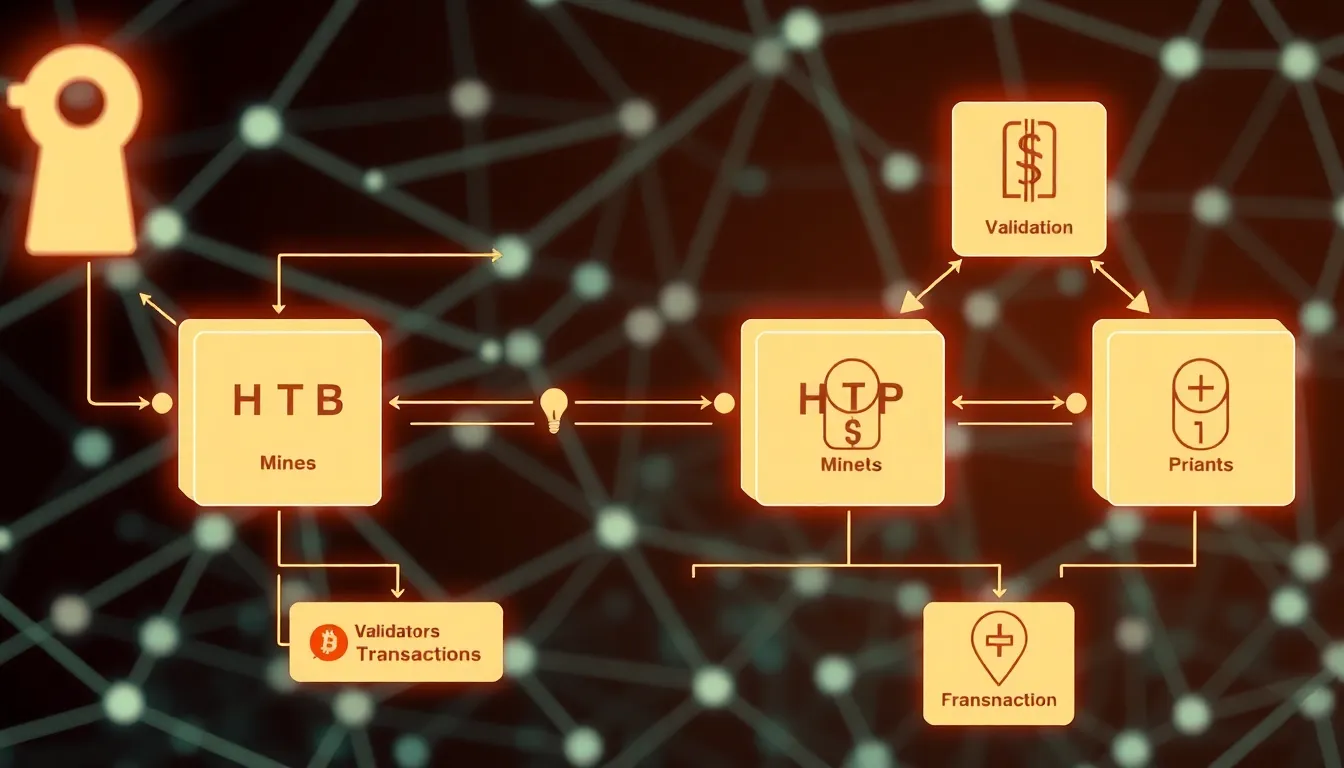
Blockchain technology operates through a series of distinct processes that ensure secure and transparent transactions. The system relies on interrelated components, each playing a crucial role in its functionality.
The Process of Block Creation
Block creation begins when a transaction occurs. Each transaction generates data that awaits validation. Once validated, it is bundled with other transactions into a block. Miners or validators connect this block to the previous ones, forming an unbroken chain. A unique cryptographic hash links each block, ensuring security and integrity throughout the chain. This process enhances transparency, as every participant can view the full history of transactions.
Consensus Mechanisms in Blockchain
Consensus mechanisms maintain agreement among participants in the network. These mechanisms, including Proof of Work and Proof of Stake, ensure that all nodes confirm transactions before adding them to the chain. Every new block requires validation, preventing fraudulent activities. In decentralized networks, consensus mechanisms eliminate the need for a central authority. Their role nurtures trust among users, as multiple parties verify each action on the blockchain. These mechanisms play a vital role in maintaining the system’s security and reliability.
Applications of Blockchain Technology
Blockchain technology’s applications extend into various sectors, demonstrating its versatility and innovative potential. Below are key areas where this technology is making significant impacts.
Financial Services
Financial services benefit greatly from blockchain technology, primarily through enhanced security and efficiency. Transactions occur in real time, reducing delays associated with traditional banking systems. Smart contracts automate processes, minimizing human error and associated costs. Cryptocurrencies, such as Bitcoin and Ethereum, provide alternatives to conventional currencies, facilitating borderless transactions. Regulatory compliance and fraud reduction improve trust between financial institutions and clients. Furthermore, blockchain enables secure identities for users, simplifying Know Your Customer (KYC) requirements.
Supply Chain Management
Supply chain management increasingly leverages blockchain technology to ensure transparency and traceability. All participants can track products in real time, leading to improved inventory management and reduced losses. Authenticity verification becomes more straightforward, as blockchain records every step in a product’s journey, confirming its origin. Real-time data availability allows for quicker decision-making, enhancing overall operational efficiency. Stakeholders can access shared data, reducing disputes and fostering collaboration. Additionally, this technology aids in compliance with safety regulations, assuring consumers of product quality.
Healthcare
Healthcare organizations utilize blockchain technology for secure patient data management and interoperability. Patient records stored on the blockchain remain immutable, ensuring data integrity and privacy. Providers access complete medical histories, reducing delays in diagnosis and treatment. Blockchain also enhances drug traceability, combating counterfeit medications in the supply chain. Consent management becomes streamlined, allowing patients to control the sharing of their health information. Furthermore, research data benefits from enhanced security and transparency, promoting collaboration and trust among researchers.
Advantages of Blockchain Technology
Blockchain technology offers several notable advantages that enhance its appeal across various industries.
Security and Privacy
Strong security features protect sensitive data in blockchain. Each transaction is encrypted and linked to the previous transaction through cryptographic hashes. These characteristics make it nearly impossible for unauthorized parties to alter transaction data. Additionally, users maintain control over their private keys, providing an extra layer of privacy. Security measures also include decentralized storage, spreading data across the network instead of relying on a single point of vulnerability. This decentralized nature significantly reduces the risk of hacking and fraud. With valuable applications in finance and healthcare, blockchain proves essential for organizations managing sensitive information.
Transparency and Traceability
Transparency in blockchain fosters trust among participants. Every transaction is recorded on a public ledger that all participants can access, allowing real-time visibility into transaction history. Stakeholders can trace the movement of assets through the supply chain, confirming authenticity and compliance with regulations. Enhanced traceability enables industries like food safety and pharmaceuticals to ensure product integrity. Moreover, the immutability of data enhances accountability, as participants cannot alter past entries without consensus from the network. This transparency and traceability empower users, reducing disputes and improving operational efficiency in various sectors.
Challenges and Limitations
Blockchain technology faces several challenges and limitations. Scalability remains a crucial obstacle, impacting transaction speed and network performance.
Scalability Issues
Scalability issues arise as blockchain networks struggle to handle an increasing volume of transactions. For instance, Bitcoin’s network can process about seven transactions per second, while Ethereum manages around 30. Both figures fall short of traditional payment systems like Visa, which can handle thousands of transactions per second. Limited capacity can lead to longer processing times and increased fees during peak periods. Solutions like sharding and layer-two protocols aim to enhance scalability by distributing transaction load more effectively. Addressing scalability concerns is essential for broader blockchain adoption across industries.
Regulatory Concerns
Regulatory concerns surround blockchain technology as governments attempt to establish frameworks for its use. Many jurisdictions lack clear regulations, creating uncertainty for businesses and consumers. Compliance with anti-money laundering (AML) and know your customer (KYC) regulations poses additional challenges for blockchain-based applications. For example, cryptocurrency exchanges often face scrutiny regarding their operations and transparency. Inconsistent regulations across countries further complicate global blockchain deployment. Successful navigation of these regulatory landscapes is vital for driving mainstream acceptance and responsible use of blockchain technology.
Blockchain technology represents a significant shift in how digital transactions are conducted. Its unique structure and decentralized nature offer unparalleled security and transparency. As industries continue to explore its potential applications the benefits of blockchain are becoming increasingly evident.
While challenges such as scalability and regulatory concerns remain the ongoing advancements in technology and regulatory frameworks promise to enhance its viability. The future of blockchain is bright and its impact will likely reshape various sectors. Embracing this technology could lead to more secure efficient and trustworthy systems for everyone involved.